📌As part of the national campaign to protect civilians, #Life_First 📌في إطار الحملة الوطنية لحماية المدنيين#الحياة-أولا
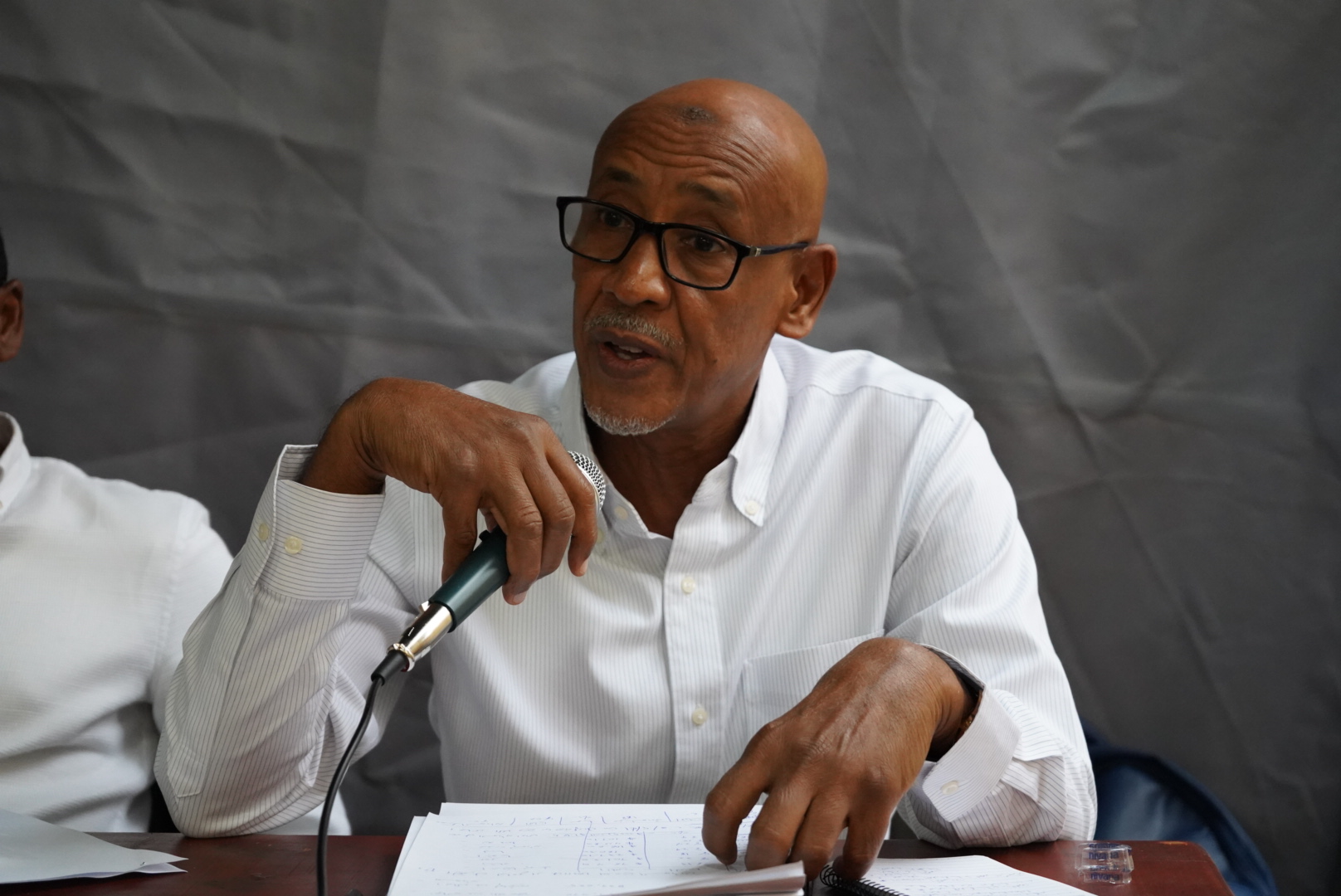
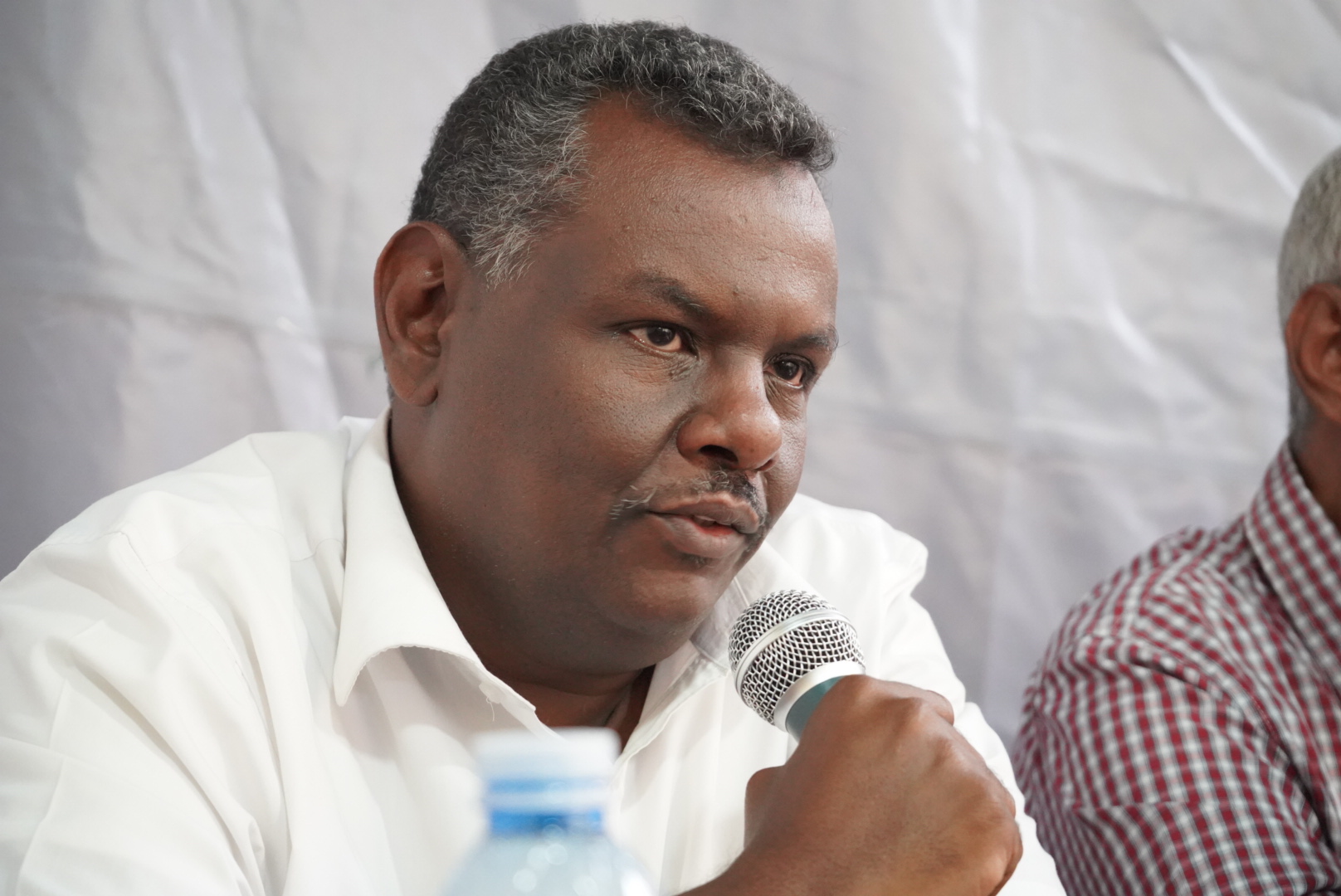
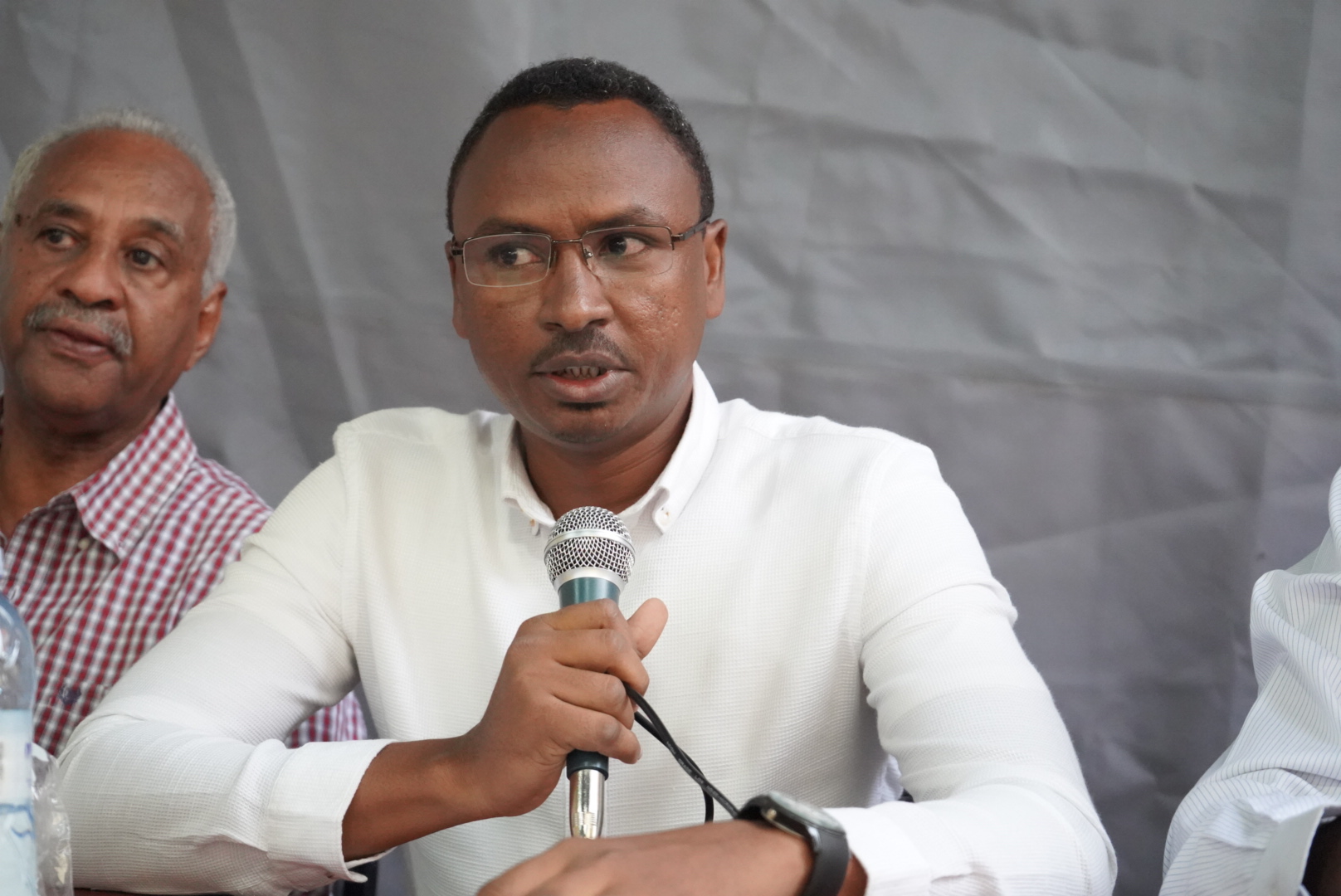
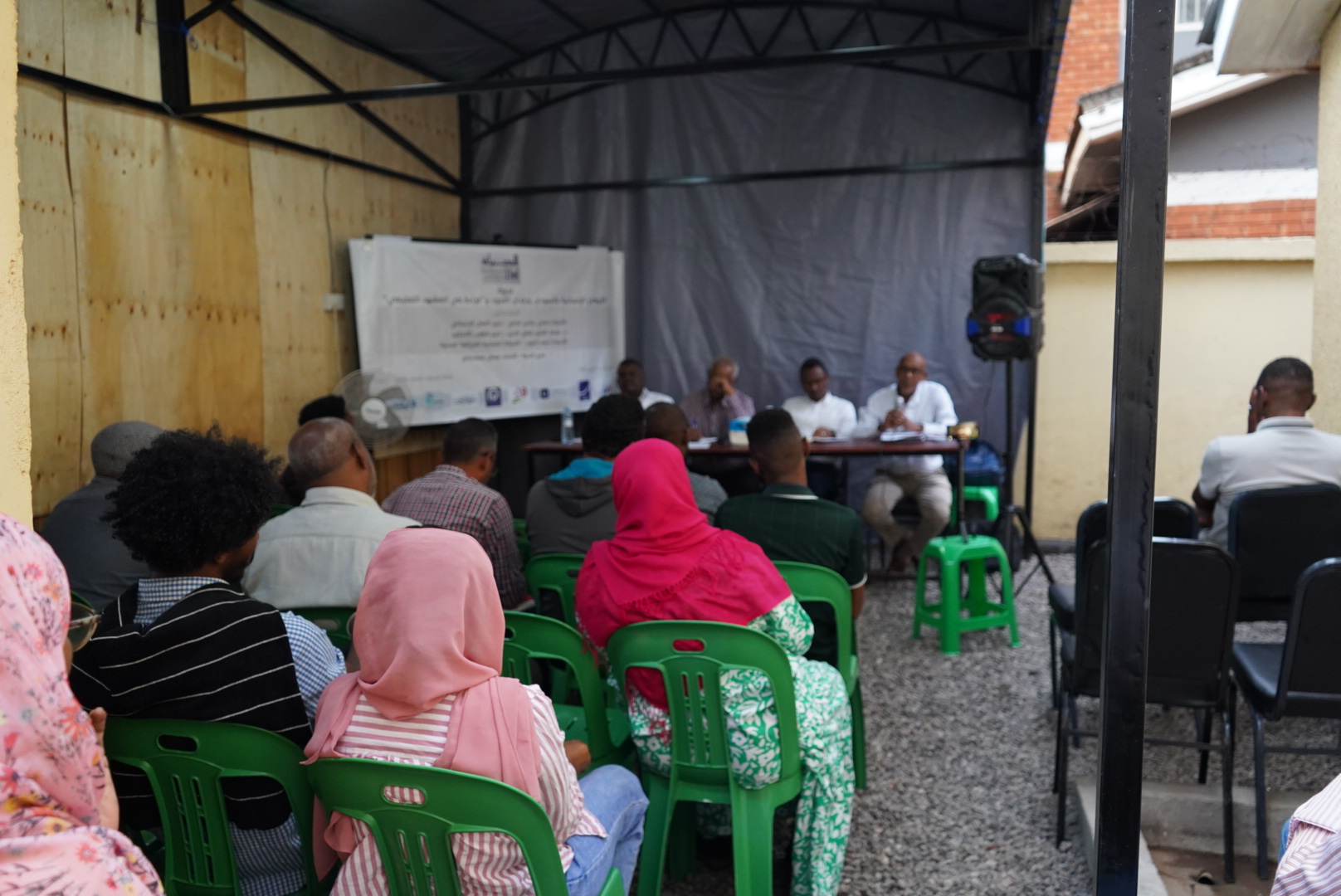
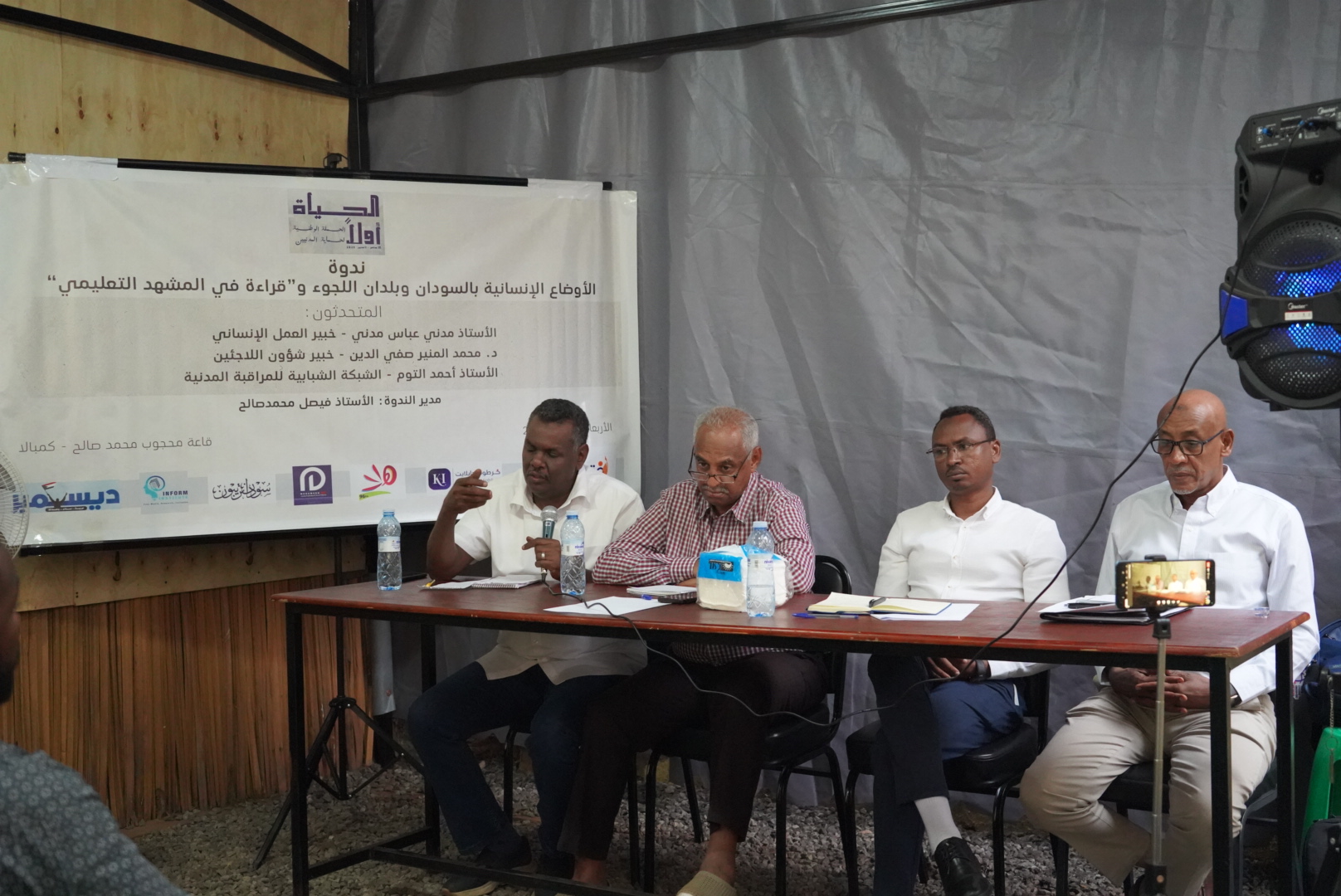 , held from September 25 to October 2, 2025, Tba Press Media Center� organized, on the evening of Wednesday, October 2, 2025, a major symposium entitled:
“The Humanitarian Situation in Sudan and Refugee Host Countries: A Reading of the Educational Landscape.”
The symposium featured:
Humanitarian affairs expert Madani Abbas Madani.
Refugee affairs expert Dr. Mohamed Al-Munir Safi Al-Din.
Member of the Youth Network for Civil Monitoring Ahmed Tom.
The session was moderated by Faisal Mohamed Salih.
After presenting a general overview of the campaign and its urgent necessity, Faisal stated that protecting civilians is not a political choice, but rather a defense of life itself. He then introduced the speakers and highlighted their roles in public affairs and their direct connection to the symposium’s topic.
The first speaker, Dr. Mohamed Al-Munir Safi Al-Din, began by saying: “It is necessary to understand that the current war, despite its internal causes, cannot be separated from colonial ambitions and the imperial powers’ vision of our region, which they see merely as a land of resources inhabited by people incapable of managing them properly. Therefore, displacement—and more specifically forced migration—is not free from policies aimed at emptying these countries of their populations.”
To support his argument, he referred to the decline in humanitarian funding compared to the continuous flow of weapons. In this context, he mentioned the Russian-Ukrainian war and how Trump linked support for Ukraine to gaining access to its resources. He also referred to the concept of the “failed state,” upon which a new form of colonialism is built, benefiting from the displacement of peoples. As an example, he cited what is currently happening in Gaza. During his speech, he also touched on the financial crisis facing the United Nations itself.
He further presented detailed statistics on the distribution of Sudanese refugees following the April 15, 2023 war in Egypt, Libya, Chad, Uganda, and South Sudan, highlighting their suffering in education, healthcare, and livelihoods. In light of these challenges, he discussed the options available to them and concluded that the best option is returning to Sudan, while emphasizing that such a return requires preparing the homeland first.
Despite the challenges, he stated that realistic policies could be developed by utilizing the efforts of Sudanese people inside and outside the country. He stressed that people are capable of taking practical steps in this direction and called on the warring parties to consider this suffering seriously. He added that the parties to the war could help restore life, giving the example that instead of focusing on rebuilding hospitals, it may be more effective to rehabilitate local health centers. He also emphasized the importance of developing civil society mechanisms, noting that society itself is more capable of reconstruction than the state.
Dr. Mohamed concluded by saying that if some of the necessary conditions are met, return itself could contribute to ending the war. He stressed that the international and regional community cannot be relied upon entirely regarding Sudan, especially given Sudan’s strained relations with some countries. He ended his remarks by saying: “We must not leave our homeland empty.”
The second speaker, Ahmed Tom, focused his remarks on the state of education during the current war, particularly inside Sudan. He began by noting that the problems of education in Sudan—such as inequality between regions, the quality of education, and the curricula—existed before the war. According to him, these issues were among the causes of the war, as they reflected forms of marginalization. He also pointed out that the absence of education in some aspects contributed to the emergence of fighters themselves.
While discussing educational disparities, he presented statistics on the scale of basic education in Darfur and Kordofan as examples illustrating this inequality.
Regarding the current situation of education during the war, he referred to schools that were destroyed, others turned into shelters for displaced people, and the interruption of the educational process itself. He warned of the dangers of this disruption, particularly in primary education, stating that it could lead to a relapse into illiteracy. Children who discontinue education in the early stages, he explained, often struggle to return later because they are still in the initial stages of acquiring reading and writing skills.
Going further, he stated that the current war policies have made education itself a target, through attacks on institutions and students alike. He referred to the Sudanese secondary school examinations crisis, which he believed could have been resolved between the warring parties.
As for solutions under the current circumstances, he stressed the importance of placing education at the forefront of advocacy efforts and making it a priority on negotiation agendas, noting that it is currently neglected. Among the immediate possible solutions, he proposed developing alternative educational systems, including establishing temporary learning camps and implementing what he called “accelerated education,” allowing students to skip grades when necessary. He shared his own experience during the wars of the 1990s in Kordofan, when he was able to catch up with his peers in safer areas through such measures.
Ahmed Tom presented important ideas on managing educational processes under wartime conditions. He concluded by saying that the current absence of schools, especially in conflict zones, contributes to prolonging the war. Educationally displaced youth, he warned, may end up joining armed groups to secure their livelihoods because they see no other options. Therefore, there is no alternative to comprehensive peace, though these educational interventions themselves can also serve as tools toward achieving peace.
The third speaker, Madani Abbas Madani, began by describing the humanitarian catastrophe caused by the war: “Even before the war, our conditions in healthcare, education, and dignified living were already poor. Then came the April 15 war, pushing us from bad to worse. Cholera already existed but has now spread further. Dengue fever is spreading in Khartoum, as are blindness and night blindness.”
He added that many facilities had been destroyed, environmental health conditions had severely deteriorated, and education and food systems had been badly affected. In short, he described the situation as catastrophic, with the ongoing war playing a major role.
He emphasized the resilience of Sudanese people in confronting these harsh conditions through their own efforts and traditions of solidarity. Nevertheless, he noted that these efforts continue to face obstruction from the warring parties, who block humanitarian aid and subject activists to arrest, rape, and persecution. This, he explained, means that humanitarian work in Sudan faces enormous challenges, including access restrictions and the multiplicity of authorities controlling different territories and populations.
“We are facing the militarization of geography stripped of any humanitarian sense,” he said, “a war that has only further marginalized the already marginalized and marginalized those who were not previously marginalized. In this war, the greatest loser is unquestionably the citizen and the country’s resources.”
In such circumstances, he proposed several possible approaches:
Developing community solidarity systems.
Revitalizing cooperatives.
Promoting home agriculture.
Advancing civil society methods.
Activating social responsibility through new approaches to local support.
In summary, he emphasized strengthening the role of society itself.
Madani continued: “I believe that if humanitarian work is treated as one of the central agendas during this period, it can become a tool for pressuring parties toward ending the war, though it will undoubtedly face resistance from warlords and those benefiting from wartime conditions. We truly need new ideas and new mechanisms in humanitarian work.”
Following his remarks, participants raised comments and questions centered around the symposium’s main themes. Most discussions focused on the feasibility of relying on the international and regional community to help stop the deterioration of Sudan’s humanitarian situation, especially in health and food security. There were also suggestions regarding practical educational solutions, including the use of technology.
At the conclusion of the symposium, Faisal Mohamed Salih thanked the speakers and attendees and called for the continuation of the campaign.
The symposium concluded at exactly 7:00 PM Kampala time.
#Teeba_Press
, held from September 25 to October 2, 2025, Tba Press Media Center� organized, on the evening of Wednesday, October 2, 2025, a major symposium entitled:
“The Humanitarian Situation in Sudan and Refugee Host Countries: A Reading of the Educational Landscape.”
The symposium featured:
Humanitarian affairs expert Madani Abbas Madani.
Refugee affairs expert Dr. Mohamed Al-Munir Safi Al-Din.
Member of the Youth Network for Civil Monitoring Ahmed Tom.
The session was moderated by Faisal Mohamed Salih.
After presenting a general overview of the campaign and its urgent necessity, Faisal stated that protecting civilians is not a political choice, but rather a defense of life itself. He then introduced the speakers and highlighted their roles in public affairs and their direct connection to the symposium’s topic.
The first speaker, Dr. Mohamed Al-Munir Safi Al-Din, began by saying: “It is necessary to understand that the current war, despite its internal causes, cannot be separated from colonial ambitions and the imperial powers’ vision of our region, which they see merely as a land of resources inhabited by people incapable of managing them properly. Therefore, displacement—and more specifically forced migration—is not free from policies aimed at emptying these countries of their populations.”
To support his argument, he referred to the decline in humanitarian funding compared to the continuous flow of weapons. In this context, he mentioned the Russian-Ukrainian war and how Trump linked support for Ukraine to gaining access to its resources. He also referred to the concept of the “failed state,” upon which a new form of colonialism is built, benefiting from the displacement of peoples. As an example, he cited what is currently happening in Gaza. During his speech, he also touched on the financial crisis facing the United Nations itself.
He further presented detailed statistics on the distribution of Sudanese refugees following the April 15, 2023 war in Egypt, Libya, Chad, Uganda, and South Sudan, highlighting their suffering in education, healthcare, and livelihoods. In light of these challenges, he discussed the options available to them and concluded that the best option is returning to Sudan, while emphasizing that such a return requires preparing the homeland first.
Despite the challenges, he stated that realistic policies could be developed by utilizing the efforts of Sudanese people inside and outside the country. He stressed that people are capable of taking practical steps in this direction and called on the warring parties to consider this suffering seriously. He added that the parties to the war could help restore life, giving the example that instead of focusing on rebuilding hospitals, it may be more effective to rehabilitate local health centers. He also emphasized the importance of developing civil society mechanisms, noting that society itself is more capable of reconstruction than the state.
Dr. Mohamed concluded by saying that if some of the necessary conditions are met, return itself could contribute to ending the war. He stressed that the international and regional community cannot be relied upon entirely regarding Sudan, especially given Sudan’s strained relations with some countries. He ended his remarks by saying: “We must not leave our homeland empty.”
The second speaker, Ahmed Tom, focused his remarks on the state of education during the current war, particularly inside Sudan. He began by noting that the problems of education in Sudan—such as inequality between regions, the quality of education, and the curricula—existed before the war. According to him, these issues were among the causes of the war, as they reflected forms of marginalization. He also pointed out that the absence of education in some aspects contributed to the emergence of fighters themselves.
While discussing educational disparities, he presented statistics on the scale of basic education in Darfur and Kordofan as examples illustrating this inequality.
Regarding the current situation of education during the war, he referred to schools that were destroyed, others turned into shelters for displaced people, and the interruption of the educational process itself. He warned of the dangers of this disruption, particularly in primary education, stating that it could lead to a relapse into illiteracy. Children who discontinue education in the early stages, he explained, often struggle to return later because they are still in the initial stages of acquiring reading and writing skills.
Going further, he stated that the current war policies have made education itself a target, through attacks on institutions and students alike. He referred to the Sudanese secondary school examinations crisis, which he believed could have been resolved between the warring parties.
As for solutions under the current circumstances, he stressed the importance of placing education at the forefront of advocacy efforts and making it a priority on negotiation agendas, noting that it is currently neglected. Among the immediate possible solutions, he proposed developing alternative educational systems, including establishing temporary learning camps and implementing what he called “accelerated education,” allowing students to skip grades when necessary. He shared his own experience during the wars of the 1990s in Kordofan, when he was able to catch up with his peers in safer areas through such measures.
Ahmed Tom presented important ideas on managing educational processes under wartime conditions. He concluded by saying that the current absence of schools, especially in conflict zones, contributes to prolonging the war. Educationally displaced youth, he warned, may end up joining armed groups to secure their livelihoods because they see no other options. Therefore, there is no alternative to comprehensive peace, though these educational interventions themselves can also serve as tools toward achieving peace.
The third speaker, Madani Abbas Madani, began by describing the humanitarian catastrophe caused by the war: “Even before the war, our conditions in healthcare, education, and dignified living were already poor. Then came the April 15 war, pushing us from bad to worse. Cholera already existed but has now spread further. Dengue fever is spreading in Khartoum, as are blindness and night blindness.”
He added that many facilities had been destroyed, environmental health conditions had severely deteriorated, and education and food systems had been badly affected. In short, he described the situation as catastrophic, with the ongoing war playing a major role.
He emphasized the resilience of Sudanese people in confronting these harsh conditions through their own efforts and traditions of solidarity. Nevertheless, he noted that these efforts continue to face obstruction from the warring parties, who block humanitarian aid and subject activists to arrest, rape, and persecution. This, he explained, means that humanitarian work in Sudan faces enormous challenges, including access restrictions and the multiplicity of authorities controlling different territories and populations.
“We are facing the militarization of geography stripped of any humanitarian sense,” he said, “a war that has only further marginalized the already marginalized and marginalized those who were not previously marginalized. In this war, the greatest loser is unquestionably the citizen and the country’s resources.”
In such circumstances, he proposed several possible approaches:
Developing community solidarity systems.
Revitalizing cooperatives.
Promoting home agriculture.
Advancing civil society methods.
Activating social responsibility through new approaches to local support.
In summary, he emphasized strengthening the role of society itself.
Madani continued: “I believe that if humanitarian work is treated as one of the central agendas during this period, it can become a tool for pressuring parties toward ending the war, though it will undoubtedly face resistance from warlords and those benefiting from wartime conditions. We truly need new ideas and new mechanisms in humanitarian work.”
Following his remarks, participants raised comments and questions centered around the symposium’s main themes. Most discussions focused on the feasibility of relying on the international and regional community to help stop the deterioration of Sudan’s humanitarian situation, especially in health and food security. There were also suggestions regarding practical educational solutions, including the use of technology.
At the conclusion of the symposium, Faisal Mohamed Salih thanked the speakers and attendees and called for the continuation of the campaign.
The symposium concluded at exactly 7:00 PM Kampala time.
#Teeba_Press