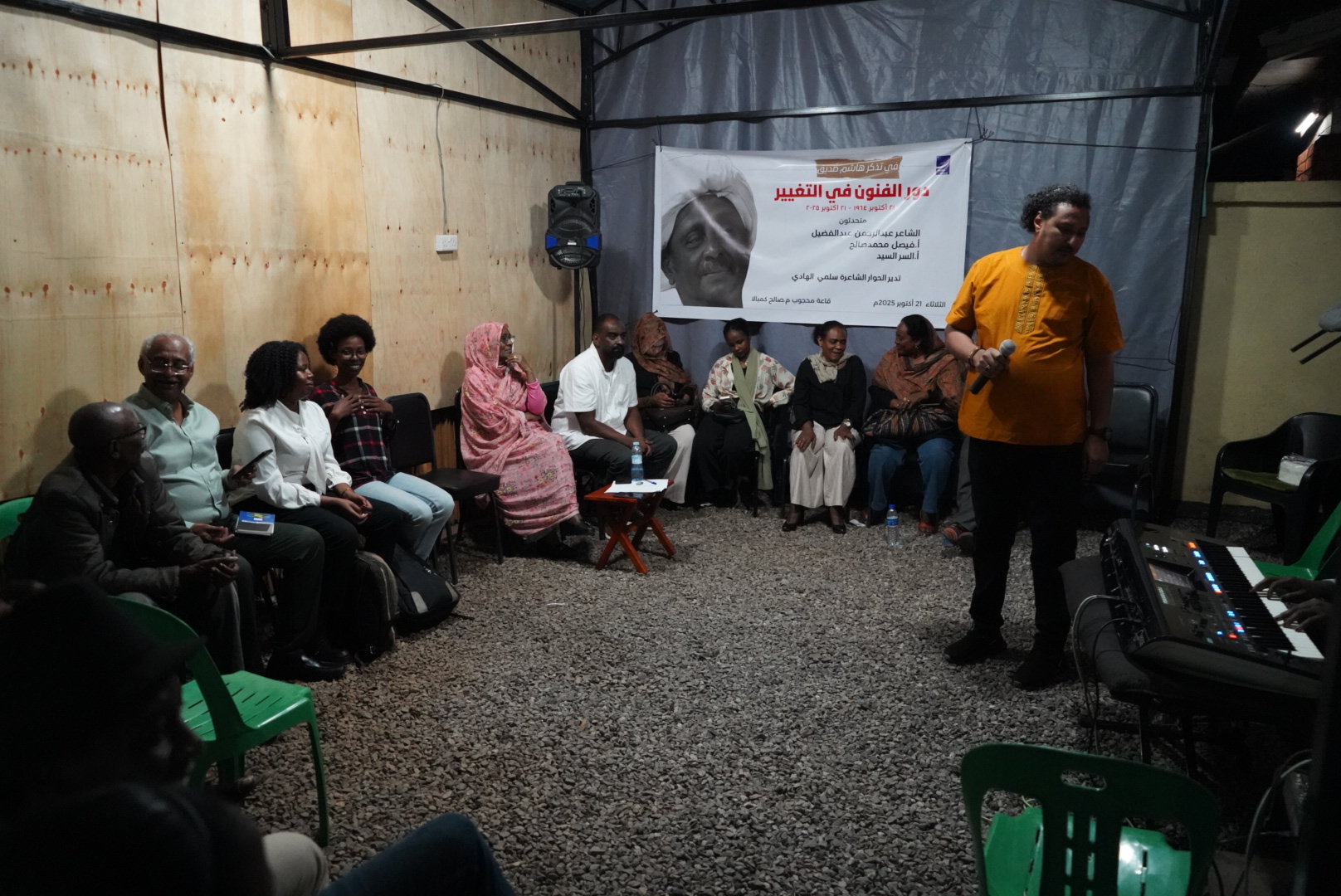
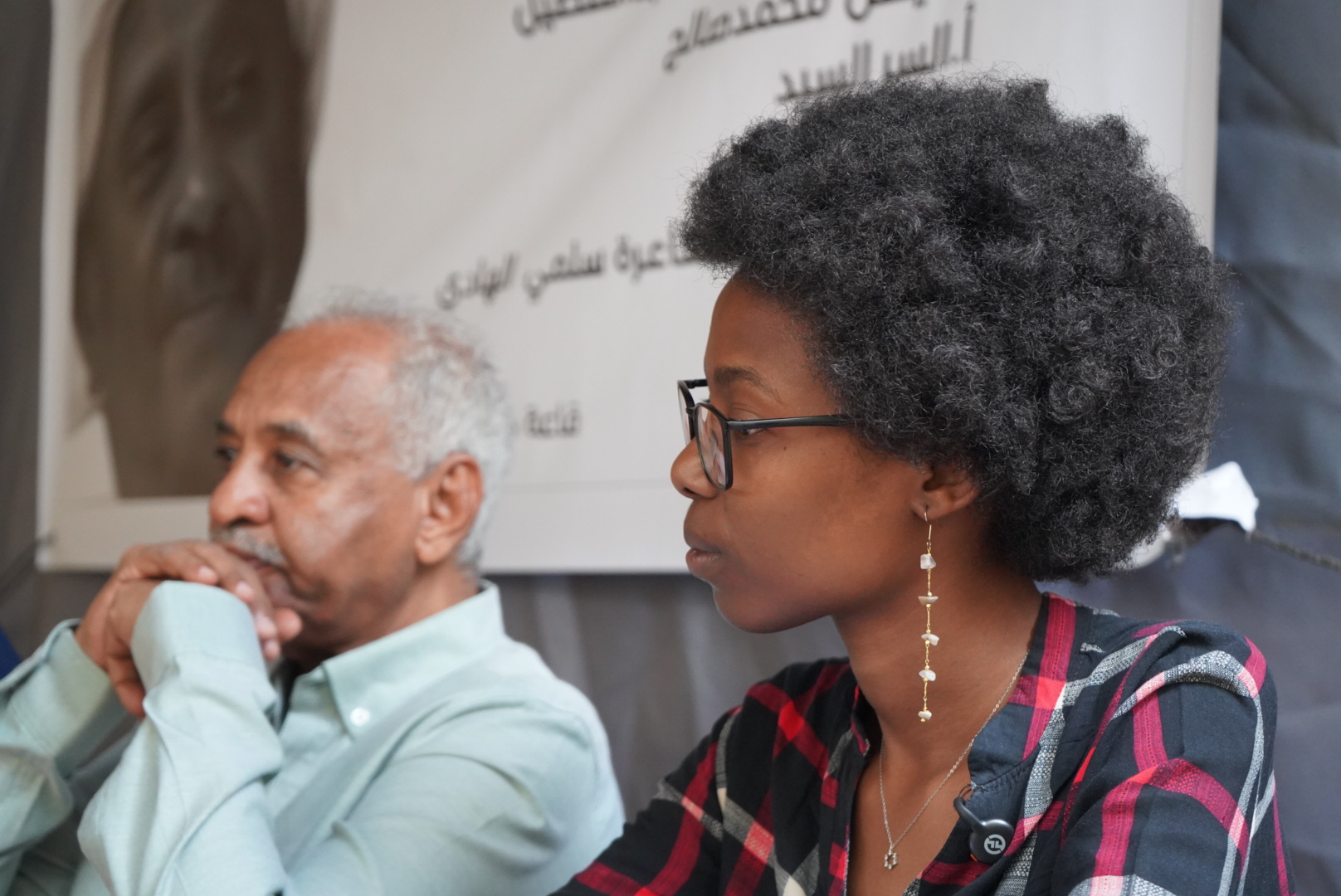
Symposium: "The Role of Arts in Change" – Kampala / Teeba Press** In an October evening saturated with the scent of revolution and songs, artists, writers, and poets gathered at the Mahjoub Mohammed Salih Hall at Teiba Press headquarters in Kampala, to re-examine the perennial question: Can art change the fate of a nation?
 ## In Memory of Hashim Siddig and the Anniversary of October
Symposium: "The Role of Arts in Change" – Kampala / Teeba Press**
In an October evening saturated with the scent of revolution and songs, artists, writers, and poets gathered at the Mahjoub Mohammed Salih Hall at Teiba Press headquarters in Kampala, to re-examine the perennial question:
Can art change the fate of a nation?
The gathering was part of an initiative to celebrate Hashim Siddig—the poet and playwright who turned the poem into a platform for resistance and imagination into an alternative homeland when the physical one grew narrow. The initiative designated November 9th, the anniversary of his passing, as the start of a global celebration spanning world capitals to honor a voice that sang for freedom until its last breath.
Poet Salma Al-Hadi opened the evening with a voice recording of him, carrying a somber prophecy and a testament to future generations:
> "I fear that next October will come, and we will not find Sudan."
>
These words echoed through the hall like an alarm bell, followed by a moment of silence that was both mourning and reflection.
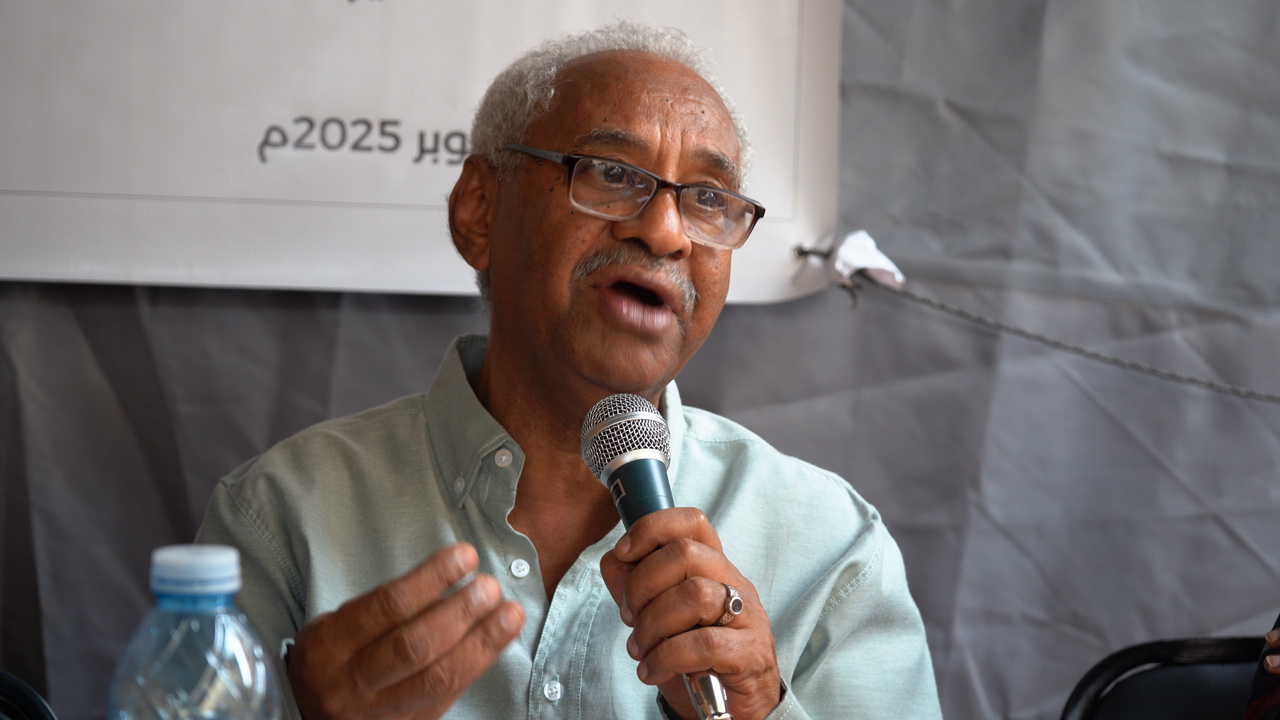
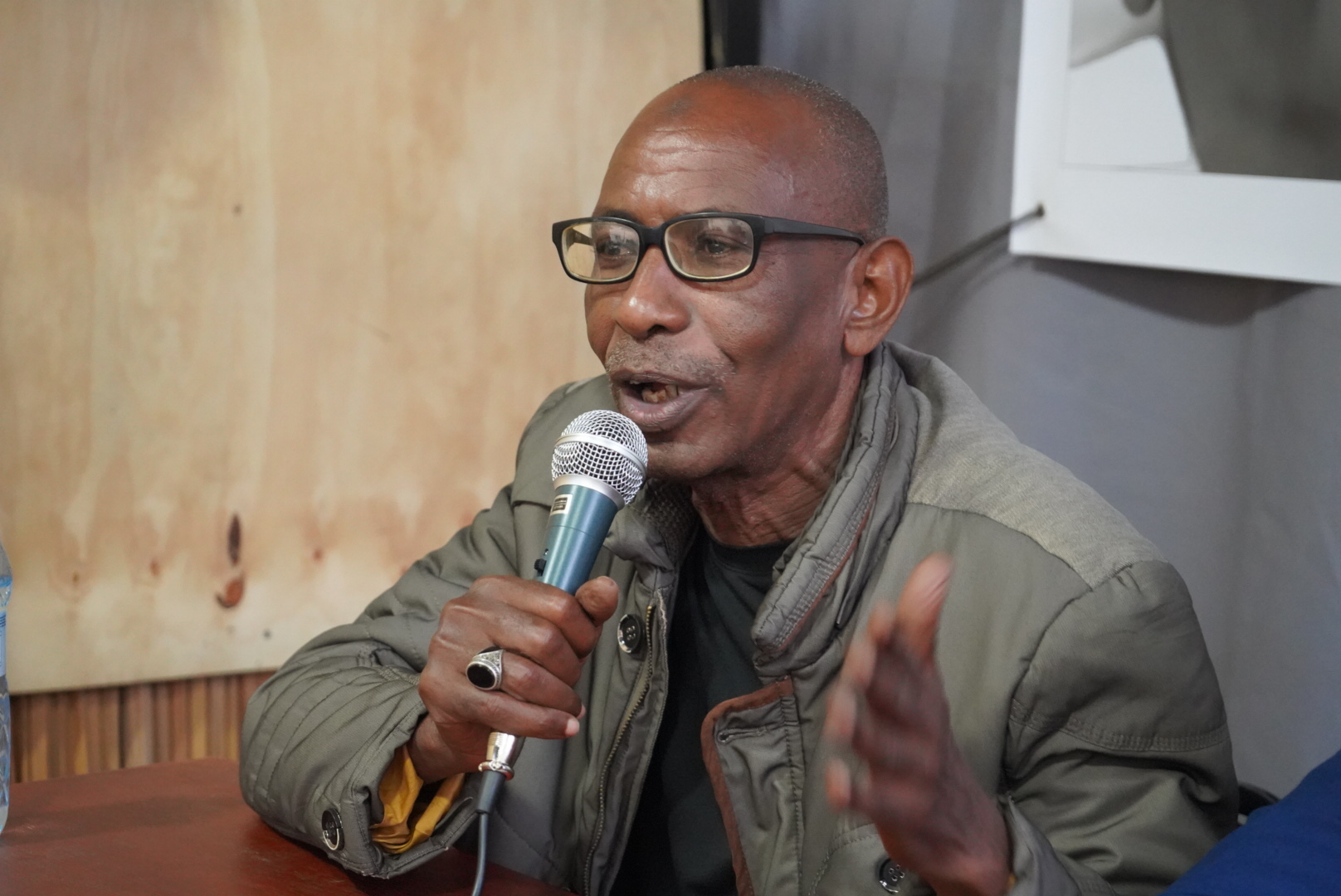
Voices followed to recount the impact of art in resisting injustice. Poet Abdelrahman Abdel-Fadil reviewed Hashim Siddig’s creative journey—from theater to poetry and drama—where his voice remained haunted by the people and their questions about justice, life, and dignity.
Then, Faisal Mohammed Salih spoke about the October Revolution, the moment the first Sudanese dream dawned, and how poetry and song were the sparks of consciousness that preceded the chanting in the streets. He recalled the epics of great poets, from Hashim’s "Story of a Revolution" to Mohammed Al-Makki’s "My Nation," illustrating how the poem became a path to rebellion.
Al-Sir Al-Sayyid re-sketched the features of Hashim the playwright, who extracted people's stories from the Nile's soil and restored poetic language and popular pulse to the theater. He pointed to his influence on a generation that saw art as an act of resistance, not a luxury or a mere embellishment of reality.
The symposium concluded at seven o'clock, but October remained alive in the voices that followed. When artist Mustafa Bakri sang national anthems, the glow of old revolutions lit up the faces again, as if Hashim himself was smiling from afar.
The gathering confirmed that art is not an ornament of revolutions, but their soul; and that Hashim’s poems will continue to remind us that freedom is not only sung... it is protected.
#Teeba_Press